The War Game, 1965
Directed by Peter Watkins
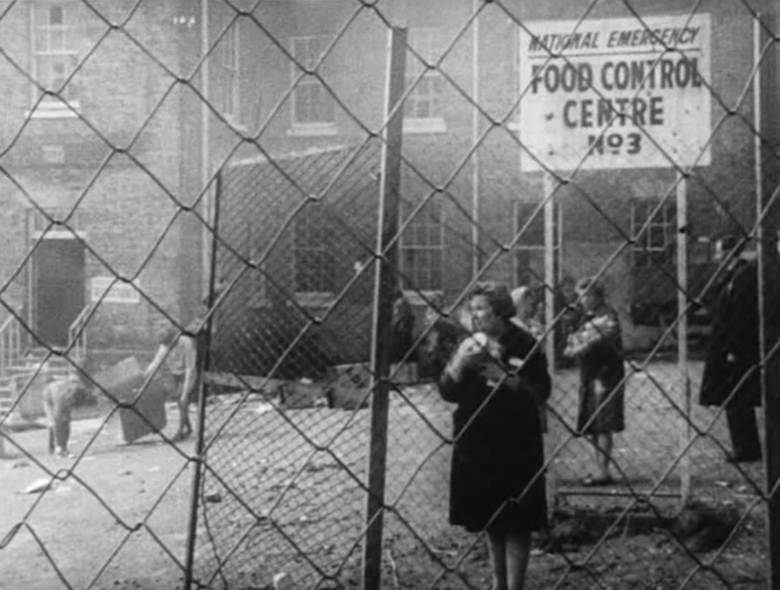
LAWRENCE FREIESLEBEN gives a salutary reminder of modern nuclear brinkmanship
The atmosphere might appear closer to post-World War 2, but The War Game[i] is more relevant in 2026 than ever. This searingly brilliant film takes only 45 minutes to say everything everyone should know or bear to imagine about the consequences as well as the insane overkill and economic waste of nuclear weaponry. It should be compulsory viewing in all schools, colleges and universities. Politicians, despots (Trump, Putin etcetera) and grasping billionaires[ii] (why does humanity permit them to retain their spoils?[iii]) should be forced to watch it. It’s only by sheer luck that nuclear war has not occurred . . . The details of The War Game may have dated, yet the statistics now, will only be worse. What was said in 1965 remains essentially unchanged.
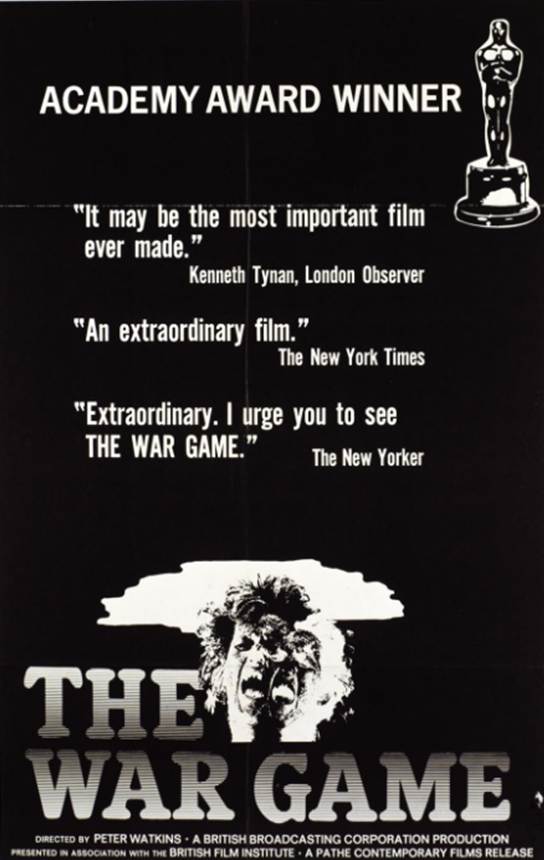
At 00:43:46: “On almost the entire subject of thermo-nuclear weapons, on the problems of their possession and the effects of their use, there is now practically a total silence in the press, in official publications and on television. There is hope in any unresolved and unpredictable situation. But is there a real hope to be found in this silence? The world’s stockpile of thermo-nuclear weapons has doubled in the last five years and now is the equivalent of almost 20 tons of high explosive to every man, woman and child on the planet.”
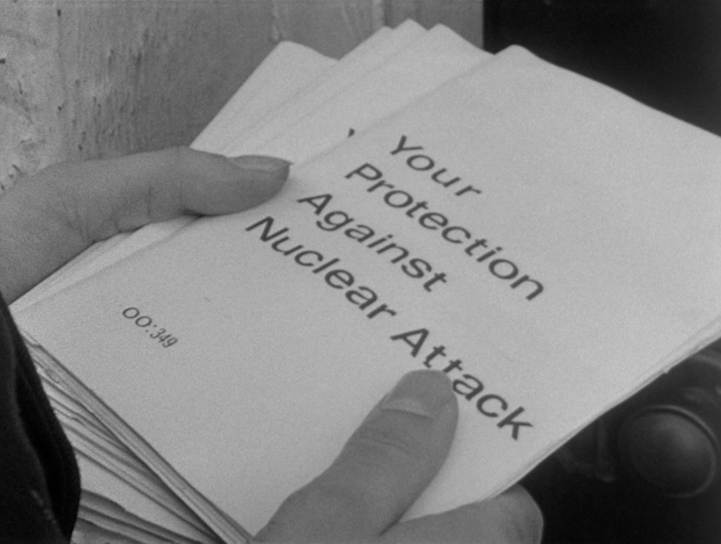
Leaflets distributed[iv] in The War Game – were echoed by the woeful Protect & Survive pamphlets notoriously published in 1980[v]
Although the nuclear overkill has decreased from its Cold War peak, considering that the global population has increased from 3.3 billion in 1965 to about 8.3 billion now, the figure remains absurdly high, with the world’s arsenal containing enough destructive power to destroy human civilization many times over[vi]. Detonating approximately 400 atomic bombs would wipe out humanity[vii], and yet there are estimated to be 9,604. Enough to eradicate humanity 24 times over.
© Lawrence Freiesleben
Notes
[i] imdb.com/title/tt0059894/?ref_=fn_t_1
[ii] en.wikipedia.org/wiki/The_World%27s_Billionaires
[iii] In a 2018 Guardian article theguardian.com/cities/2018/mar/22/collapse-civilisation-near- certain-decades-population-bomb-paul-ehrlich Paul Ehrlich was quoted as saying that “an unprecedented redistribution of wealth is needed to end the over-consumption of resources, but “the rich who now run the global system – that hold the annual ‘world destroyer’ meetings in Davos – are unlikely to let it happen”
[iv] https://en.wikipedia.org/wiki/Protect_and_Survive
[v] iwm.org.uk/collections/item/object/1500124311
[vi] ourworldindata.org/data-insights/which-countries-have-nuclear-weapons-and-how-many
[vii] thinkchina.sg/society/chinese-academic-humanity-could-destroy-itself-nuclear-weapons

LAWRENCE FREIESLEBEN, Film & Television Editor of The Brazen Head, has been an artist and writer as long as he can remember – cycling away at weekends from the council estate where he grew up, to paint the countryside as an escape from the restrictive tedium of the school week. Leaving home at 16, he has lived in 17 different areas of the UK – from Devonshire to Northumberland – painting and writing, always vigilantly questioning the interior light of landscape, cityscape and wider atmosphere. Living virtually off-grid with his large family, both remote locations and urban visits have formed the backscene to a passion for film which has intertwined with art and writing throughout his career. Films remain a key creative focus since childhood, resulting in encyclopaedic folders and clippings as well as a constant stream of home-made film festivals. He currently lives in a dilapidated Lancashire seaside town